Uterine fibroids are one of the most common non-cancerous growths that develop in the uterus during a woman’s reproductive years. While many fibroids remain small and cause no symptoms, others can significantly affect quality of life. The good news is that not every fibroid requires surgery. However, in certain situations, surgical treatment becomes the most effective option to relieve symptoms, preserve fertility, or prevent complications.
If you’re experiencing persistent symptoms, consulting Dr. Richi Khandelwal can help determine whether surgery is the right choice based on your age, symptoms, future pregnancy plans, and the size and location of your fibroids.
What Are Uterine Fibroids?
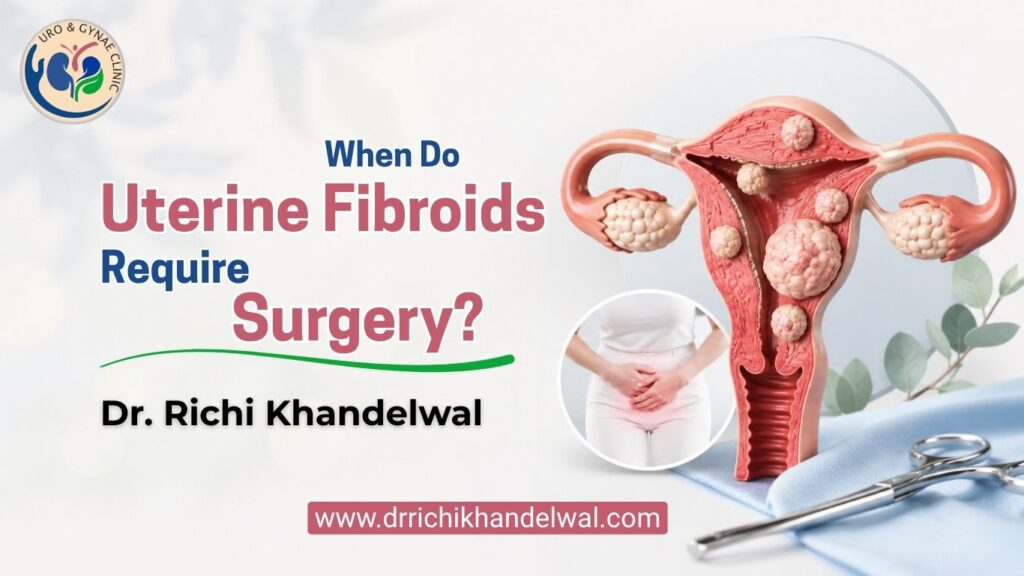
Uterine fibroids (also known as leiomyomas) are benign tumors made of muscle and connective tissue. They can grow inside the uterine wall, on the outer surface, or within the uterine cavity. Fibroids vary greatly in size—from tiny seed-like growths to large masses that enlarge the uterus.
Many women never realize they have fibroids because they often cause no symptoms.
Common Symptoms of Uterine Fibroids
Symptoms depend on the number, size, and location of the fibroids. Common signs include:
- Heavy or prolonged menstrual bleeding
- Pelvic pain or pressure
- Frequent urination
- Constipation
- Lower back pain
- Pain during intercourse
- Difficulty becoming pregnant
- Recurrent miscarriages
- Enlarged abdomen
If these symptoms interfere with your daily activities, medical evaluation is essential.
When Do Fibroids Require Surgery?
Surgery is generally recommended when fibroids cause severe symptoms or fail to respond to medications. Your gynecologist may suggest surgery in the following situations:
1. Heavy Menstrual Bleeding
Excessive bleeding can lead to iron-deficiency anemia, causing fatigue, weakness, and dizziness. When medications cannot control bleeding, surgery may provide long-term relief.
2. Severe Pelvic Pain
Large fibroids may create constant pelvic pain, pressure, or discomfort that affects work, exercise, or sleep. Persistent pain is one of the strongest indications for surgery.
3. Rapidly Growing Fibroids
Fibroids that increase in size quickly require careful evaluation. Although most are benign, rapid growth may warrant surgical removal to rule out rare complications and prevent worsening symptoms.
4. Fertility Problems
Fibroids can interfere with conception or increase the risk of miscarriage, especially when they distort the uterine cavity. Women planning pregnancy may benefit from removing fibroids before trying to conceive.
For expert fertility-preserving treatment options, consult Dr. Richi Khandelwal, who specializes in individualized care for women with fibroids.
5. Pressure on Nearby Organs
Large fibroids may press against the bladder or bowel, causing:
- Frequent urination
- Difficulty emptying the bladder
- Constipation
- Pelvic heaviness
If these symptoms become persistent, surgery may be recommended.
6. Failure of Non-Surgical Treatments
Lifestyle modifications, hormonal medications, and minimally invasive procedures often help control symptoms. However, when these treatments fail to provide adequate relief, surgery becomes the next step.
Types of Fibroid Surgery
The choice of surgery depends on your symptoms, age, fertility goals, and fibroid characteristics.
Myomectomy
Myomectomy removes only the fibroids while preserving the uterus. It is commonly recommended for women who wish to have children in the future.
Benefits include:
- Preserves fertility
- Relieves symptoms
- Keeps the uterus intact
Hysterectomy
A hysterectomy removes the uterus completely and permanently eliminates fibroids.
It is usually recommended when:
- Family planning is complete
- Fibroids are very large
- Multiple fibroids are present
- Symptoms are severe and recurring
Minimally Invasive Surgery
Many women qualify for laparoscopic or hysteroscopic fibroid surgery, which offers:
- Smaller incisions
- Less pain
- Reduced blood loss
- Faster recovery
- Shorter hospital stay
Recovery After Fibroid Surgery
Recovery varies depending on the surgical procedure.
Typical recovery includes:
- Walking within 24 hours
- Returning to desk work in 2–4 weeks after minimally invasive surgery
- Full recovery in approximately 4–8 weeks for open surgery
- Avoiding heavy lifting during healing
- Following scheduled follow-up appointments
Your doctor will provide personalized recovery instructions based on your procedure.
Can Fibroids Return After Surgery?
Fibroids can recur after a myomectomy because only the existing fibroids are removed. Younger women and those with multiple fibroids have a slightly higher chance of recurrence.
A hysterectomy permanently eliminates fibroids because the uterus is removed.
Regular gynecological check-ups help detect new fibroids early.
When Should You See a Gynecologist?
Schedule an appointment if you experience:
- Heavy menstrual bleeding every month
- Severe pelvic pain
- Difficulty becoming pregnant
- Frequent urination without infection
- Rapid abdominal enlargement
- Persistent pelvic pressure
Early diagnosis often allows more treatment options and better outcomes.
For comprehensive evaluation and personalized treatment, learn more about Dr. Richi Khandelwal, an experienced gynecologist dedicated to advanced fibroid care.
Conclusion
Not every uterine fibroid requires surgery, but persistent symptoms, infertility, heavy bleeding, or pressure on nearby organs may indicate that surgical treatment is the best option. Modern surgical techniques are safer, less invasive, and designed to improve quality of life while preserving fertility whenever possible.
Consulting an experienced gynecologist ensures that you receive the most appropriate treatment based on your individual needs. Timely intervention can relieve symptoms, protect reproductive health, and help you return to normal daily activities with confidence.
FAQs:
No. Many fibroids are small and symptom-free. Surgery is recommended only when fibroids cause significant symptoms or complications.
Yes. Many women successfully conceive after a myomectomy, especially when fibroids were affecting fertility.
Laparoscopic surgery usually causes less pain than open surgery and offers a faster recovery with smaller incisions.
Recovery typically takes 2–4 weeks after minimally invasive surgery and 6–8 weeks after open surgery.
Yes, fibroids may return after a myomectomy. However, they cannot recur after a hysterectomy because the uterus has been removed.