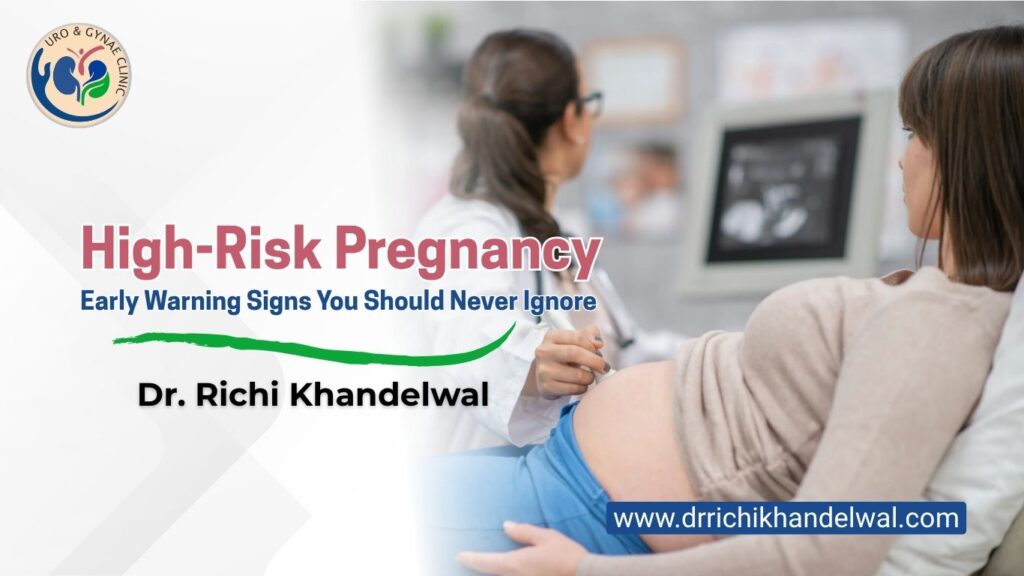
Pregnancy is a beautiful journey, but for some women, it can come with added complications. A high-risk pregnancy requires special care and attention to ensure the safety of both mother and baby. Recognizing early warning signs can make a significant difference in preventing serious complications.
If you are experiencing unusual symptoms, it’s important to consult an experienced specialist like Dr. Richi Khandelwal for timely diagnosis and care.
What is a High-Risk Pregnancy?
A high-risk pregnancy is one where the mother, baby, or both are at increased risk of health problems before, during, or after delivery. This may be due to medical conditions, lifestyle factors, or pregnancy-related complications.
Early detection and proper medical supervision can help manage most high-risk cases effectively.
Common Causes of High-Risk Pregnancy
Some common factors that may lead to a high-risk pregnancy include:
- Maternal age (below 17 or above 35)
- High blood pressure or diabetes
- Thyroid disorders
- Multiple pregnancies (twins/triplets)
- Obesity or underweight
- Previous pregnancy complications
Regular checkups with experts like Dr. Richi Khandelwal can help monitor these risks effectively.
Early Warning Signs You Should Never Ignore
Recognizing symptoms early can prevent complications. Here are the key warning signs:
1. Severe Abdominal Pain
Persistent or sharp abdominal pain could indicate complications like ectopic pregnancy or placental issues.
2. Heavy Bleeding or Spotting
Light spotting may be normal, but heavy bleeding is a serious warning sign and requires immediate medical attention.
3. Severe Headaches
Frequent or intense headaches may indicate high blood pressure or preeclampsia.
4. Blurred Vision
Vision problems like blurriness or seeing spots can signal dangerous conditions like preeclampsia.
5. Swelling in Hands and Face
Sudden swelling, especially in the face and hands, can be a sign of high blood pressure.
6. Reduced Baby Movements
If you notice decreased fetal movement, consult your doctor immediately.
7. High Fever
A persistent fever may indicate infection, which can be harmful during pregnancy.
8. Painful Urination
This could be a sign of urinary tract infection (UTI), which needs prompt treatment.
When Should You See a Doctor?
You should seek immediate medical care if you experience:
- Continuous bleeding
- Severe dizziness or fainting
- Sudden swelling or vision issues
- Sharp abdominal pain
- Reduced fetal movement
Early consultation with a specialist like Dr. Richi Khandelwal can help prevent serious complications and ensure a safe pregnancy journey.
How to Reduce Risks in High-Risk Pregnancy
While some risks cannot be avoided, you can take steps to stay healthy:
- Attend regular prenatal checkups
- Maintain a balanced diet
- Avoid smoking and alcohol
- Manage stress effectively
- Follow your doctor’s advice strictly
For personalized care and expert guidance, you can consult Dr. Richi Khandelwal, who specializes in managing high-risk pregnancies.
Importance of Regular Monitoring
High-risk pregnancies require:
- Frequent ultrasounds
- Blood pressure monitoring
- Blood tests
- Fetal heart rate tracking
Proper monitoring ensures early detection of complications and timely treatment.
Conclusion
A high-risk pregnancy may feel overwhelming, but with the right care and awareness, most women can have a healthy delivery. The key is to recognize early warning signs and seek medical help without delay.
If you notice any unusual symptoms, don’t ignore them—consult an experienced gynecologist like Dr. Richi Khandelwal for expert care and support.
FAQs (Frequently Asked Questions)
Far far away, behind the word mountains, far from the countries Vokalia and Consonantia, there live the blind texts. Separated they live in Bookmarksgrove right at the coast
Yes, with proper medical care, monitoring, and lifestyle changes, many high-risk pregnancies result in healthy deliveries.
Not always. It depends on the condition. Your doctor will recommend rest only if required.
Avoid smoking, alcohol, stress, and unhealthy foods. Always follow your doctor’s advice.