

Dr Richi Khandelwal is dedicated to spreading awareness about women’s health and the importance of early diagnosis of gynecologic cancers. Among these conditions, ovarian cancer is often difficult to detect in its early stages because its symptoms may appear mild or similar to common digestive or hormonal issues. Understanding the early warning signs can help women seek medical attention sooner and improve treatment outcomes.
What Is Ovarian Cancer?
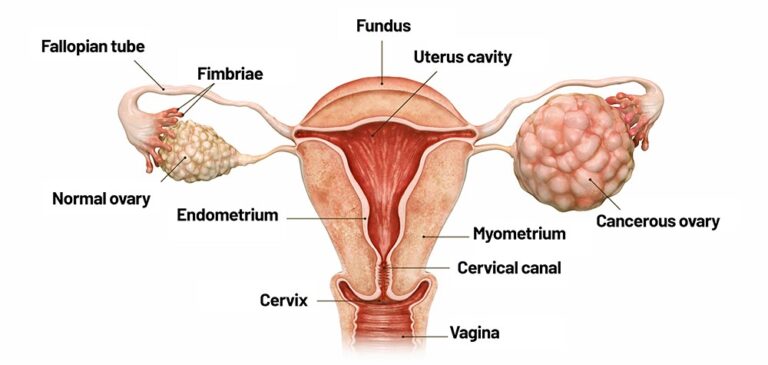
Ovarian Cancer begins in the ovaries, which are part of the female reproductive system responsible for producing eggs and hormones. It is considered one of the most serious gynecologic cancers because it is frequently diagnosed at an advanced stage.
However, recognizing symptoms early can make a significant difference in successful treatment and recovery.
Why Early Detection Matters
Early detection of ovarian cancer increases the chances of successful treatment. In many cases, women ignore the symptoms because they resemble common stomach, urinary, or menstrual problems.
Persistent symptoms that occur frequently and continue for several weeks should never be ignored.
Common Early Signs of Ovarian Cancer
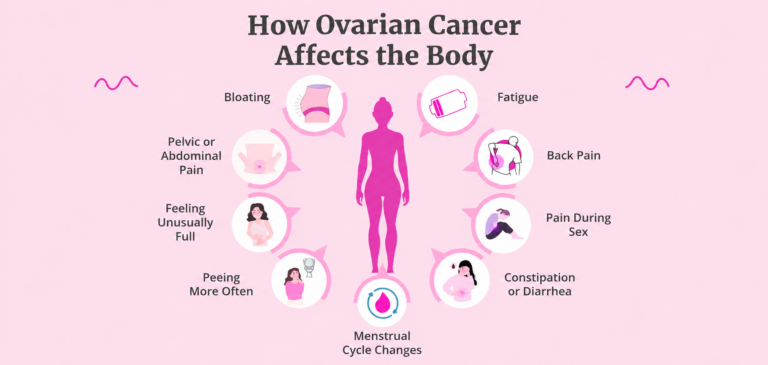
1. Persistent Bloating
Occasional bloating is normal, especially during menstruation or after certain meals. However, constant bloating that lasts for weeks may be one of the earliest symptoms of ovarian cancer.
Women often describe it as:
- Feeling unusually full
- Tightness in the abdomen
- Swelling that does not improve
If bloating becomes frequent and persistent, medical evaluation is recommended.
2. Pelvic or Abdominal Pain
Pain or discomfort in the lower abdomen or pelvic area is another common warning sign. The pain may:
- Come and go
- Feel dull or sharp
- Worsen over time
Persistent pelvic pain should never be ignored, especially if it is unrelated to menstrual cycles.
3. Feeling Full Quickly While Eating
One of the lesser-known symptoms of ovarian cancer is difficulty eating or feeling full after consuming small amounts of food.
This symptom may occur because abdominal swelling or fluid buildup affects digestion and appetite.
4. Frequent Urination
Women with ovarian cancer may experience:
- Frequent urge to urinate
- Sudden urgency
- Increased bathroom visits
These symptoms can sometimes be mistaken for urinary tract infections or bladder issues.
5. Unexplained Fatigue
Constant tiredness that does not improve with rest may indicate an underlying health issue, including ovarian cancer.
Fatigue can occur because the body is using energy to fight abnormal cell growth.
6. Changes in Bowel Habits
Digestive changes such as:
- Constipation
- Gas
- Indigestion
- Nausea
can sometimes be associated with ovarian cancer.
Women often mistake these symptoms for normal digestive problems, delaying diagnosis.
7. Back Pain
Lower back pain without injury or physical strain can occasionally be linked to ovarian cancer, especially when accompanied by other symptoms.
8. Unexplained Weight Loss or Weight Gain
Sudden weight changes may occur due to:
- Loss of appetite
- Fluid accumulation in the abdomen
- Metabolic changes caused by cancer
Unexpected changes in body weight should always be evaluated by a healthcare professional.
Who Is at Higher Risk?
Several factors may increase the risk of ovarian cancer, including:
- Family history of ovarian or breast cancer
- BRCA1 or BRCA2 gene mutations
- Age above 50 years
- Endometriosis
- Never being pregnant
- Hormonal factors
Women with a strong family history should consider regular gynecological screenings and genetic counseling.
When Should You See a Doctor?
Consult a doctor if symptoms:
- Occur more than 12 times a month
- Persist for several weeks
- Become more severe over time
Early medical evaluation can help rule out serious conditions and improve treatment success if cancer is detected.
How Is Ovarian Cancer Diagnosed?
Doctors may recommend:
- Pelvic examination
- Ultrasound imaging
- CT scan
- Blood tests such as CA-125
- Biopsy in some cases
No single screening test can fully detect ovarian cancer early, which is why symptom awareness is extremely important.
Can Ovarian Cancer Be Prevented?
Although ovarian cancer cannot always be prevented, certain measures may help reduce risk:
- Regular gynecological checkups
- Maintaining a healthy lifestyle
- Genetic testing for high-risk individuals
- Awareness of family medical history
Early diagnosis remains one of the most effective ways to improve survival rates.
Final Thoughts
Ovarian Cancer often develops silently, making awareness of its early symptoms extremely important. Persistent bloating, pelvic pain, appetite changes, and urinary symptoms should never be ignored.
Women who pay attention to their bodies and seek medical advice early can significantly improve the chances of timely diagnosis and successful treatment.
If you experience any ongoing symptoms, consult an experienced gynecologist for proper evaluation and care.
FAQs:
The earliest signs of ovarian cancer often include persistent bloating, pelvic pain, frequent urination, fatigue, and feeling full quickly while eating.
Ovarian cancer is more common in women above 50 years of age, especially after menopause, but it can occur in younger women as well.
Doctors may diagnose ovarian cancer using pelvic exams, ultrasound scans, blood tests like CA-125, CT scans, and biopsies.
Some cases of ovarian cancer are linked to inherited gene mutations such as BRCA1 and BRCA2, which can increase cancer risk.
Early detection is possible when women recognize persistent symptoms and seek timely medical evaluation.