
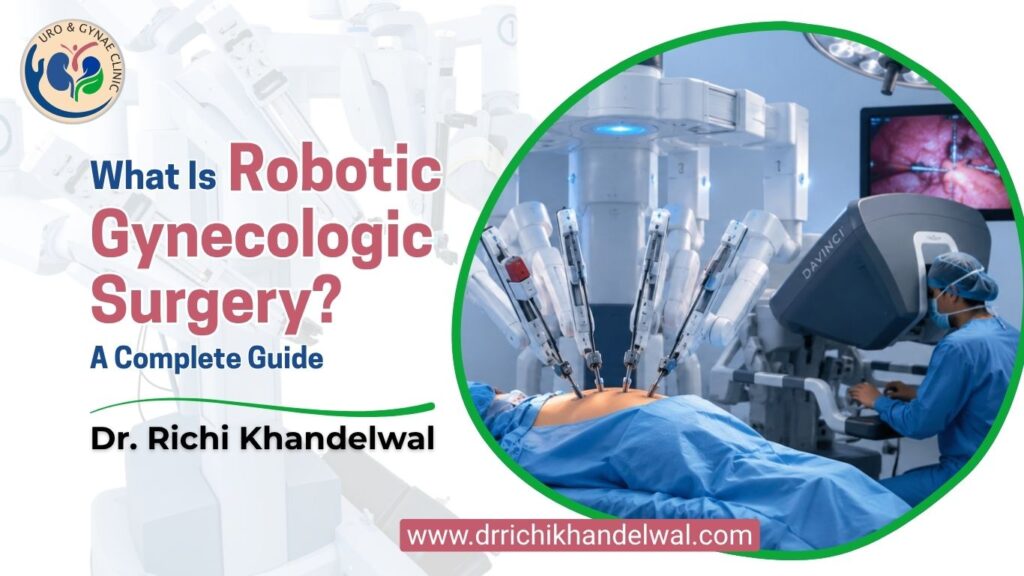
Robotic gynecologic surgery is an advanced form of minimally invasive surgery that allows gynecologists to perform complex procedures with greater precision, flexibility, and control. Using a robotic-assisted surgical system, surgeons can treat a variety of gynecological conditions through small incisions, resulting in less pain, minimal scarring, and faster recovery compared to traditional open surgery.
With advancements in women’s healthcare, robotic surgery has become a preferred option for treating conditions such as fibroids, endometriosis, ovarian cysts, and gynecologic cancers. Under the expert care of Dr Richi Khandelwal, patients can benefit from state-of-the-art robotic surgical techniques designed to improve outcomes and enhance recovery.
What Is Robotic Gynecologic Surgery?
Robotic gynecologic surgery is a type of minimally invasive surgery where the surgeon controls robotic arms equipped with specialized surgical instruments. The robotic system translates the surgeon’s hand movements into precise micro-movements inside the patient’s body.
Despite the name, the robot does not perform the surgery independently. The entire procedure is controlled by the surgeon, who operates from a console with a high-definition 3D view of the surgical site.
This technology allows for greater accuracy and improved visualization, making it particularly beneficial for delicate gynecological procedures.
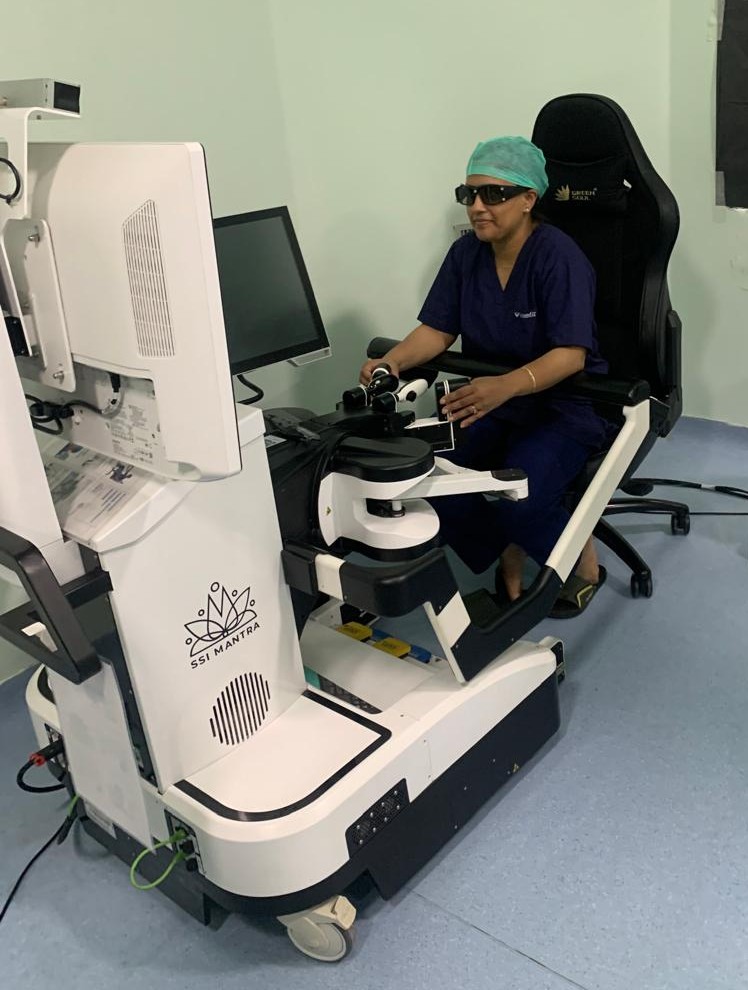
Conditions Treated with Robotic Gynecologic Surgery
Robotic-assisted surgery is commonly used to treat:
- Uterine fibroids
- Endometriosis
- Ovarian cysts
- Adenomyosis
- Pelvic organ prolapse
- Gynecologic cancers
- Heavy menstrual bleeding
- Infertility-related conditions
- Hysterectomy cases
The suitability of robotic surgery depends on the patient’s condition and overall health.
How Does Robotic Gynecologic Surgery Work?
During the procedure, the surgeon makes several small incisions in the abdomen. Tiny instruments and a camera are inserted through these openings.
The robotic system provides:
- Magnified 3D visualization
- Enhanced precision
- Greater range of motion
- Improved dexterity in confined spaces
The surgeon controls every movement in real time, enabling highly accurate surgical performance while minimizing damage to surrounding tissues.
Benefits of Robotic Gynecologic Surgery
1. Smaller Incisions
Unlike traditional open surgery, robotic procedures require only small incisions, reducing visible scarring.
2. Less Blood Loss
Enhanced precision helps minimize bleeding during surgery.
3. Reduced Pain
Smaller incisions generally result in less postoperative discomfort.
4. Faster Recovery
Most patients return to their normal activities much sooner than after conventional surgery.
5. Lower Risk of Complications
Robotic systems improve surgical accuracy, reducing the likelihood of injury to nearby organs and tissues.
6. Better Cosmetic Results
Minimal scarring makes robotic surgery an attractive option for many women.
Common Robotic Gynecologic Procedures
Robotic Hysterectomy
Removal of the uterus using robotic assistance for conditions such as fibroids, cancer, or chronic pelvic pain.
Robotic Myomectomy
Removal of uterine fibroids while preserving the uterus and fertility potential.
Robotic Endometriosis Surgery
Precise removal of endometriosis tissue with minimal damage to healthy structures.
Robotic Ovarian Surgery
Treatment of ovarian cysts and masses while preserving healthy ovarian tissue whenever possible.
Recovery After Robotic Surgery
Recovery varies depending on the procedure performed. However, most patients experience:
- Shorter hospital stays
- Reduced pain medication requirements
- Faster return to daily activities
- Lower risk of infection
Many women can resume light activities within a few days and return to work within one to three weeks, depending on their surgeon’s recommendations.
Who Is a Candidate for Robotic Gynecologic Surgery?
You may be a candidate if you have:
- Symptomatic fibroids
- Endometriosis
- Ovarian cysts
- Chronic pelvic pain
- Heavy menstrual bleeding
- Gynecologic cancers
- Need for hysterectomy or fertility-preserving surgery
A detailed evaluation by an experienced gynecologic surgeon is essential to determine the most appropriate treatment approach.
For personalized consultation and advanced robotic gynecologic care, patients can connect with Dr Richi Khandelwal to discuss their treatment options and surgical suitability.
Is Robotic Gynecologic Surgery Safe?
Yes. Robotic gynecologic surgery is considered safe and effective when performed by a trained and experienced surgeon. Numerous studies have demonstrated its benefits in terms of surgical precision, reduced complications, and improved patient satisfaction.
Like any surgery, there are potential risks, but careful patient selection and expert surgical planning significantly enhance safety and outcomes.
Conclusion
Robotic gynecologic surgery represents a major advancement in women’s healthcare. By combining minimally invasive techniques with robotic precision, it offers numerous advantages, including faster recovery, less pain, minimal scarring, and improved surgical outcomes.
Whether you are dealing with fibroids, endometriosis, ovarian cysts, or other gynecological conditions, robotic-assisted surgery may provide an effective treatment option. Consulting an experienced specialist like Dr Richi Khandelwal can help you understand whether robotic gynecologic surgery is the right choice for your specific needs.
FAQs:
Most patients experience significantly less pain compared to traditional open surgery due to smaller incisions.
Recovery varies by procedure, but many patients return to normal activities within one to three weeks.
Yes. Procedures such as robotic myomectomy can remove fibroids while preserving the uterus and fertility potential.
Both are minimally invasive. Robotic surgery provides enhanced precision, flexibility, and 3D visualization for complex cases.
Fibroids, endometriosis, ovarian cysts, pelvic organ prolapse, gynecologic cancers, and other gynecological disorders can be treated using robotic techniques.